Turkana Oil Export Timeline in Kenya with Revenue
Kenya targets December 2026 for Turkana crude. See the Turkana oil export timeline Kenya, expected revenue, reserves, jobs and business openings.
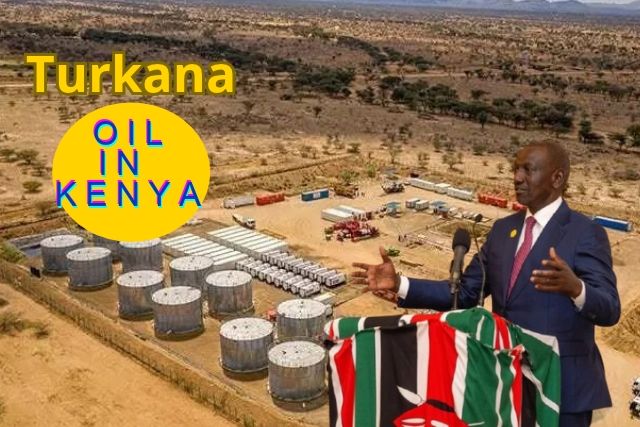
Kenya is entering the final stretch of its Turkana oil project, more than 14 years after the first discovery. President William Ruto has said crude exports from the Lake Turkana Basin should begin in December.
The Turkana oil export timeline Kenya now matters to investors, county residents and policymakers who have waited a long time.
What Happened to Turkana Oil?
Many Kenyans ask what happened to Turkana oil after the 2012 discovery excited the whole nation. Progress slowed through years of pilot shipments, contract reviews and changes in field ownership. Tullow Oil stepped back, and Gulf Energy took over operations in the South Lokichar Basin.
In February 2026, Parliament approved the Field Development Plan, which cleared a major regulatory hurdle. The approval also gave Gulf Energy exclusive rights to transport the crude to Mombasa and market it. That decision turned a long-stalled venture into an active development with real deadlines.
Turkana Oil Export Timeline Kenya: Key Dates
The calendar now looks clearer than at any point in the past decade. Here are the milestones to watch:
- February 2026: Parliament approved the Field Development Plan for South Lokichar.
- September 2026: A drilling rig worth about Sh2.6 billion arrived in Mombasa.
- November 1, 2026: Drilling is scheduled to begin as crews race toward first oil.
- December 2026: Commercial production and the first crude movements to Mombasa are targeted.
- Early 2027: Earlier government timelines pointed to first export shipments in the first quarter.
Phase one runs from 2026 to 2032, with output of roughly 20,000 barrels per day. That is about 600,000 barrels each month. A second phase could lift production to 50,000 barrels daily or higher.
Turkana Oil Reserves and Kenya’s Ranking
Estimates of Turkana oil reserves range from about 326 million to more than 560 million recoverable barrels. Those volumes are modest beside the continent’s largest producers. Still, they are significant for a country that has never exported commercial crude.
Discussions on Kenya oil reserves and Kenya oil reserves ranking often place the country behind giants such as Nigeria and Angola. Yet steady production could still reshape Kenya’s trade balance and bring in valuable dollars.
How Kenya Will Make Money From Turkana Oil

The state expects income from several channels. Government revenue will come through its profit share, royalties and taxes on the crude. County and community benefit-sharing arrangements are also meant to direct a portion of earnings back to Turkana.
Export sales will add foreign exchange, which can ease pressure on the shilling. Transport and handling create further value along the route, since crude must travel from the northwest to the Port of Mombasa. Private investors acquiring a 25 percent stake in Kenya Pipeline also signals strong commercial interest in the logistics chain.
The crude is waxy, so it needs heating during transport. That requirement raises the technical bar, but it also creates work for specialist engineers and contractors.
How to Make Money in the Turkana Oil Business
Ordinary Kenyans and small firms can benefit well before the first barrel is exported. Oil projects rely on a long chain of suppliers, and local companies can compete for those contracts. Promising areas include:
- Transport and logistics: Trucking, vehicle maintenance and fuel supply along the Turkana to Mombasa route.
- Camp services: Catering, laundry, security, accommodation and cleaning for field crews.
- Construction and materials: Roads, civil works, water supply and equipment hire.
- Skilled technical work: Drilling, engineering, safety, surveying and environmental monitoring roles.
Those watching Gulf Energy Turkana oil project jobs should prepare early, because recruitment usually follows project milestones. Certifications in safety, welding, heavy-vehicle operation and project management can strengthen any application. Small businesses should register properly, keep tax records current and seek supplier opportunities through official channels.
Investors have other routes as well. They can look at listed energy and logistics companies, pipeline infrastructure and service providers. As always, they should study the contract terms and risks carefully before committing money.
Turkana Oil News to Watch
The latest Turkana oil news today shows a project gaining real momentum. Drilling progress in November will be the first big test of the schedule. Pipeline readiness and trucking capacity will follow, along with the timing of the first Mombasa deliveries.
Public debate continues over cost recovery terms, which can reach 85 percent. Environmental safeguards and fair community benefits also remain central. Open reporting on each of these issues will help the country build trust and share gains fairly.
The Road Ahead
The Turkana oil export timeline Kenya has never looked firmer than it does now. With a rig in place, drilling set for November and exports targeted soon after, the project has real momentum. If Kenya delivers, Turkana crude could open a new chapter for the economy and for local enterprise.